Channel / environment / purchase objective

Cooler bag bulk requirements by application

A giveaway, a retail assortment and a team carry bag create different questions about capacity, decoration and packing. Start with the actual use so the supplier can respond to a defined order.

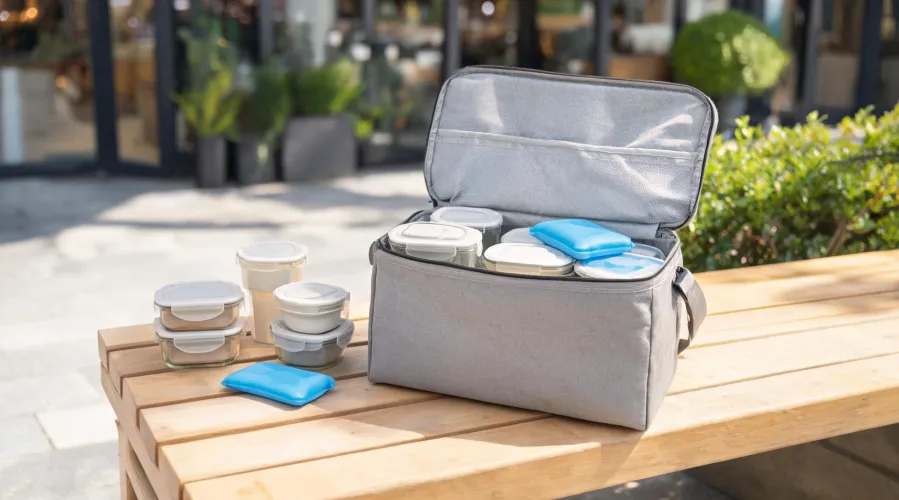
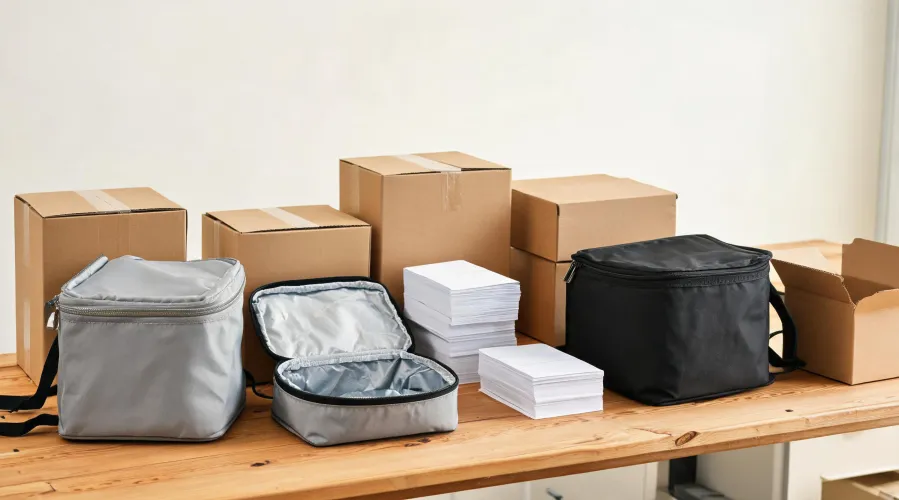
Soft cooler bag arranged with lunch containers for a retail-use reviewInsulated bags and plain cartons for an event purchasing brief

Independent sourcing coordination: the scenarios below are requirement examples, not verified customer projects or claims of product suitability.

Follow the intended-use decision

Where and how will the bag be used?

Everyday lunch carry

Start with the intended container dimensions and upright clearance. Is the bag carried by hand or shoulder? State usable internal dimensions, removable liner preference and cleaning access. Ask how the closure and seams behave with condensation; an easy-clean surface is not a complete leak-containment claim.

For a retailer, split quantity by color and capacity. Confirm unit labeling, individual pack dimensions and assortment pack ratio. A photograph of a larger related bag cannot settle the capacity of the offered style.

Outdoor group or team use

Describe expected contents, ice-pack arrangement and loaded weight. A larger bag may need different strap anchors and carry geometry. Ask for rated load evidence on the exact construction, including method and conditions, rather than treating strap width as proof.

Temperature retention depends on ambient conditions, coolant, load and opening frequency. Give the supplier a proposed sample protocol, record initial conditions and compare observations using the same setup. Results are limited to that setup.

Branded event distribution

Prioritize readable artwork, decoration position, packaging and the receiving deadline. A stock-color shell can reduce decisions but still needs availability confirmation. Request the minimum order quantity per print and color, sample approval sequence and individual pack scope.

Compare flat-pack and filled-shape packaging with the supplier. Flat packing may reduce carton volume but can introduce creasing. Ask for a packed sample and confirmed carton dimensions before treating one route as lower total cost.

Route the result to an RFQ: choose the inquiry option, write mandatory versus optional specifications, then open the Order Brief.

Keep the item identity through each handover

  1. Specification

    Record dimensions, material proposal, insulation and artwork revision with units.

  2. Quotation

    Identify deviations, MOQ, packaging allowance and delivery scope for that revision.

  3. Sample

    Check liner access, closure, load handling and appearance against the proposed item.

  4. Order documents

    Carry forward approved changes, pack ratio and unresolved conditions.

Use the status labels “requested,” “supplier-stated” and “reviewed against this item.” A generic certificate or related-style sample must not silently become a confirmation for the order. If mandatory-rule applicability is unclear, consult the official CPSC standards index as a starting reference and seek appropriate review.

From use case to a comparable request

  1. Choose the channel and contents.
  2. State volume, dimensions and variants.
  3. List evidence and delivery questions.

The service method and procurement article explain quote scope. Send the remaining questions through our contact page or the inquiry below.

For business purchasing

FREE sourcing support

up to 3%

Eligibility applies to qualified business buyers and is confirmed after we review your product, quantity, destination, and sourcing requirements.

Discuss the proposed cooler bag, order scope and available support before making a purchasing decision.