Order Brief / assumptions made visible
Cooler bag factory inquiry: prepare the order brief
Use one revision to connect the bag construction, artwork, packing and US receiving requirement. A concise brief makes alternative proposals easier to identify; it does not establish factory availability or confirm a purchase.
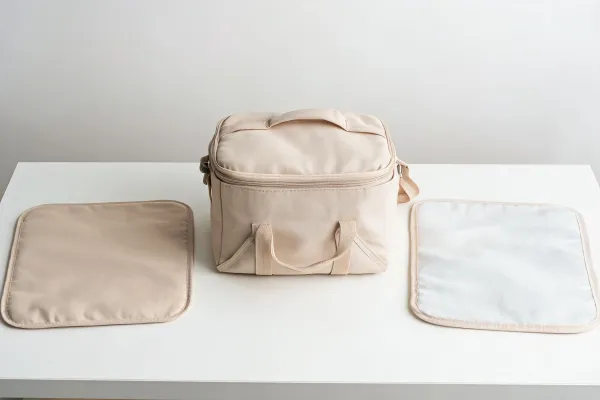
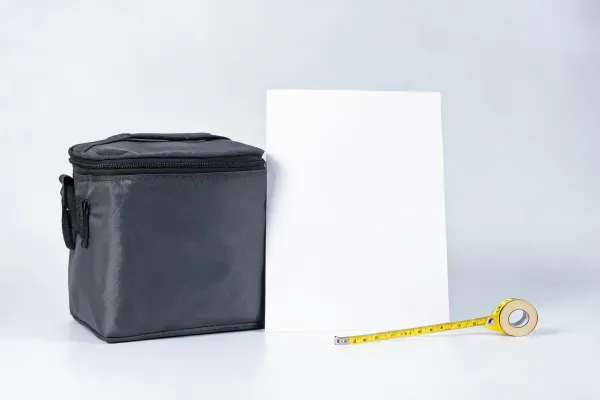
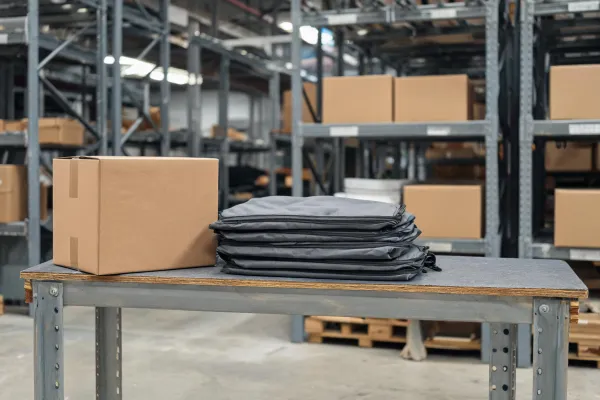
Buyer assumptions and supplier-confirmed facts should remain separate until the proposed item and quotation are reviewed.
Send your order briefMap total cost without inventing a price
One comparable order
Same bag revision, color split, decoration and US destination.
- Quoted product line
- Currency, unit basis, pieces by variant and unit price. Request MOQ per color or print, not only an aggregate total.
- Development & approval
- Sample, artwork setup, tooling where relevant and any proposed test charges. Identify whether any amount is refundable or excluded.
- Packing line
- Individual packaging, carton pack ratio, dimensions and gross weight. Ask whether the proposed bag is folded, nested or shipped in full shape.
- Delivery line
- Trade terms, freight scope, destination handling and any unstated charges. Mark buyer-side estimates separately from supplier quote lines.
Budget is useful before a live quote exists. Label it USD per bag or USD for the complete order, for example, without presenting that preference as a market price. A budget-focused route may change fabric, decoration or pack scope; keep mandatory liner and carry requirements fixed when comparing alternatives.
Pair each open decision with a requested answer
What does capacity mean here?
Request internal and external dimensions plus capacity in L, and show the intended contents. Nominal volume alone cannot settle clearance at the zipper or the space taken by ice packs.
Ask for the proposed sample's drawing and identify the measurement locations. A different shape with the same stated volume is an alternative, not an equivalent specification.
What should the sample prove?
List liner construction, closure access, strap attachment, artwork position and packed appearance. For a retention question, hold ambient temperature, starting contents, coolant load and opening schedule constant; record the observation method and acceptance criterion before review.
A visual sample cannot substantiate a cooling-duration claim, and a generic report cannot confirm the revised insulation stack. Exact-item test evidence must identify the offered construction and conditions.
Which materials and labels need review?
Ask the supplier to name shell, coating, lining and insulation materials and provide documents tied to that proposal. Identify intended use, user group and US destination so applicable labeling or product requirements can be scoped.
The official CPSC index is a starting reference for applicability questions, not approval of a bag or supplier. Resolve specialist questions before relying on a compliance claim.
Send the version you want suppliers to answer
Include shell and liner, insulation question, capacity, dimensions, closure, straps, color quantities, artwork, carton basis, destination and timing. Mark alternatives clearly. Choose from the inquiry catalog and review the quotation workflow.
The procurement article offers a scope checklist. Use the contact route for remaining questions. A supplier preference is buyer guidance rather than a verified rating.